
Your ticket makes an impact
Operation Smile Norway is the Official NGO Partner of the Nordic Climate Finance Summit 2026. 5% of every ticket sold goes directly to Operation 100.
Oslo, 9–10 September.
Healthcare is climate infrastructure.
Climate change is simultaneously increasing demand for healthcare and degrading the system’s capacity to deliver it.
5% of your ticket supports Operation 100, Operation Smile’s commitment to strengthening local health systems and bringing surgical care closer to communities. By attending, you help build climate-resilient healthcare where it is needed most.
NCFS 2026 is the first partnership of its kind for Operation Smile: a contractual share of ticket revenue, built into every ticket sold, flowing directly into health system strengthening. Not a gala, not an add-on donation. The event's own growth is the impact mechanism.
It is transparent, measurable and repeatable. A conference, a festival, a sports event or a product launch can build the same mechanism into its ticketing, connect it to a concrete program outcome, and give every attendee a stake in what their presence builds.
If you run an event, sponsor one, or want to explore what this could look like in your sector, we would love to talk.
5 billion
people lack access to safe, timely
and affordable surgical care
$12.3 trillion
projected economic loss to low- and
middle-income countries from unmet
surgical need by 2030
Less than 0.5%
of total multilateral climate finance investments go towards health adaptation measures.
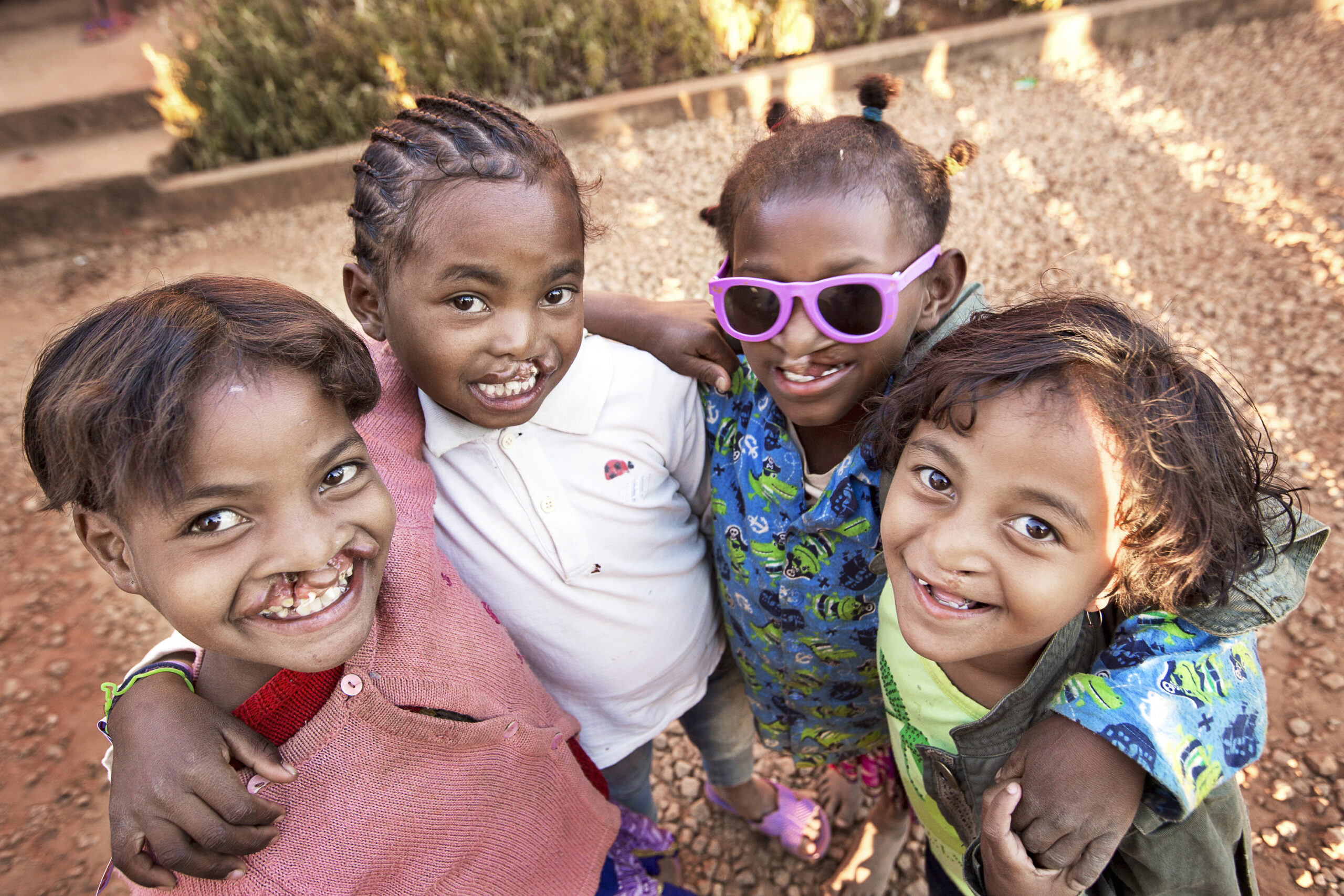
Climate finance portfolios are missing the humans.
Health systems are the most overlooked investment opportunity in climate finance portfolios. That is not a figure of speech: health adaptation receives less than 0.5% of multilateral climate finance (IPCC, 2022). At the same time, healthcare is foundational to everything a resilient community. People cannot adapt, work, learn or rebuild if they do not have access to adequate healthcare services.
The journey to care is getting longer
Nearly two thirds of the world’s population, around 5 billion people, lack access to safe, timely and affordable surgical care (Lancet Commission on Global Surgery, 2015). In the countries where Operation Smile works, families travel hundreds of kilometres to reach a hospital equipped for safe surgery. Flooding, extreme heat and damaged infrastructure make those journeys longer, more expensive, and ultimately more difficult.
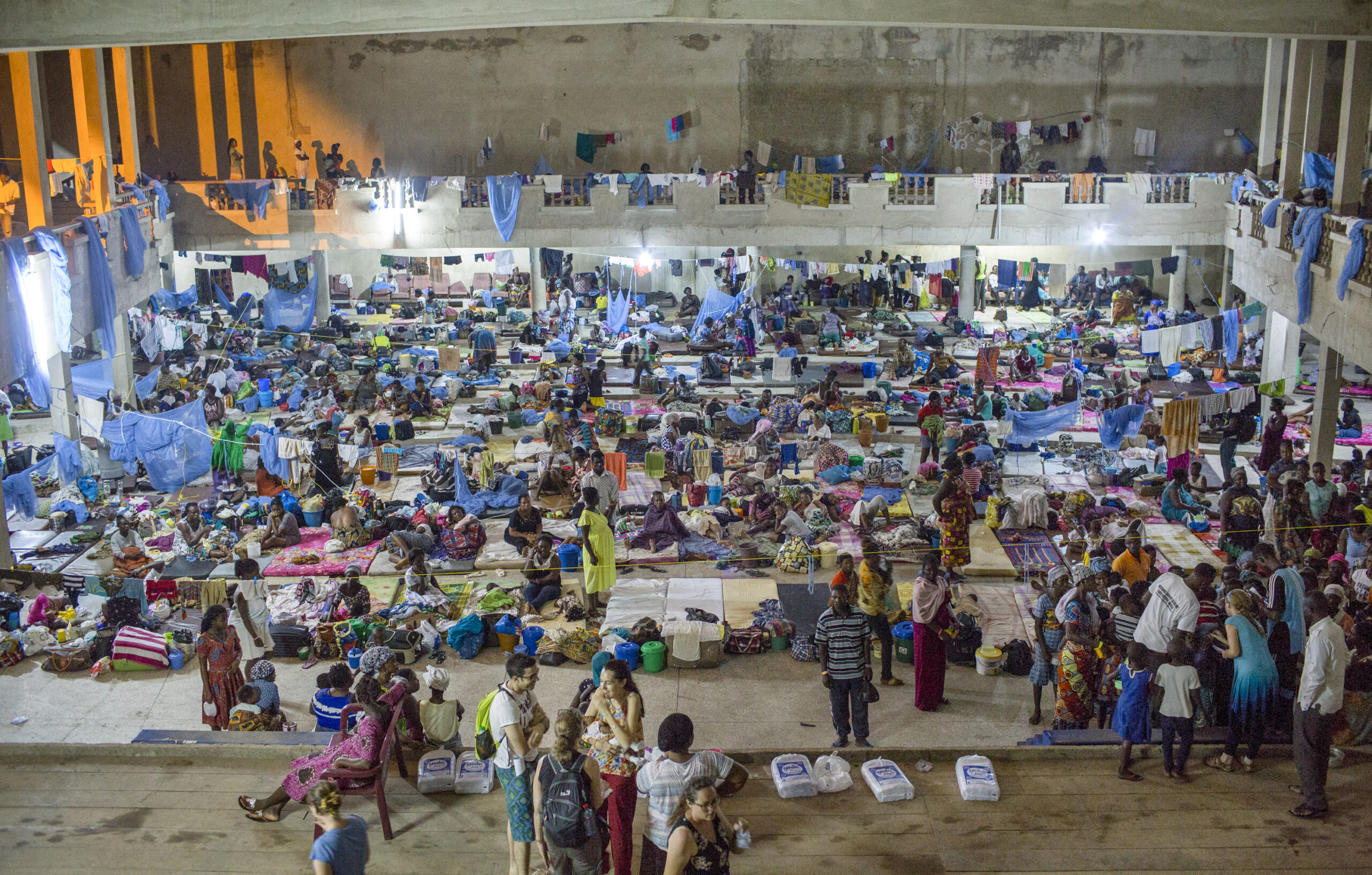
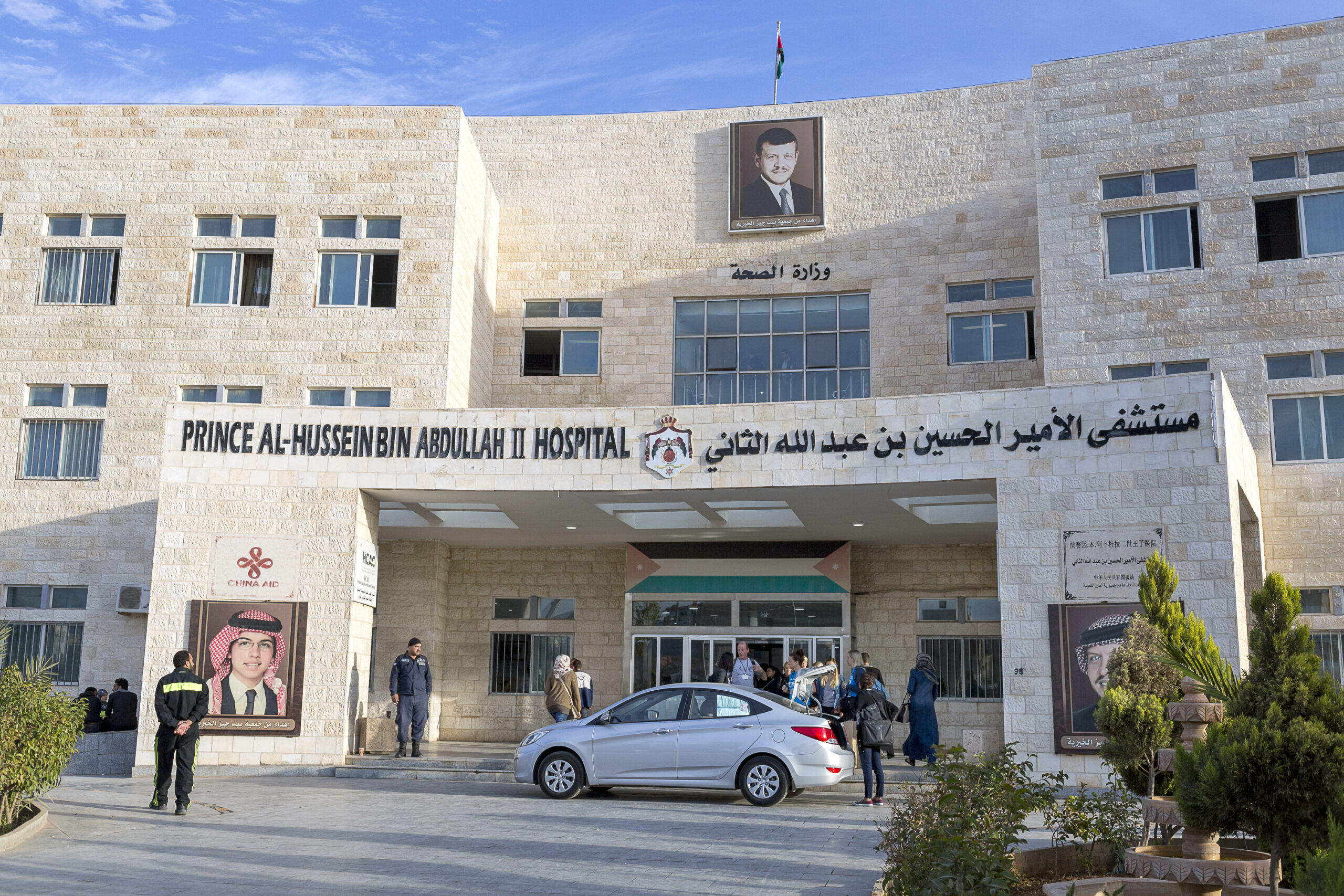
Hospitals are critical infrastructure.
Hospitals are as essential to a functioning society as water, energy and transport. When climate shocks hit, a functioning hospital is part of what holds a community together. When it fails, everything else becomes harder. The exposure is measurable: climate hazards increased the risk of damage to hospitals by 41% between 1990 and 2020, and 1 in 18 hospitals worldwide faces total or partial shutdown by 2050. (Cross Dependency Initiative, 2023, via the Global Center on Adaptation, 2026).
The rising costs of surgery
Climate change is quietly raising the cost of every operation. Warmer temperatures alone are linked to increases in surgical site infections of up to 39% (Martins et al., BMC Surgery, 2023). Malnutrition, closely tied to drought and disrupted growing seasons, affects around a third of people in low- and middle-income countries and shapes both surgical readiness and recovery. Investing in resilient surgical systems now costs less than paying climate’s premium on every procedure later.
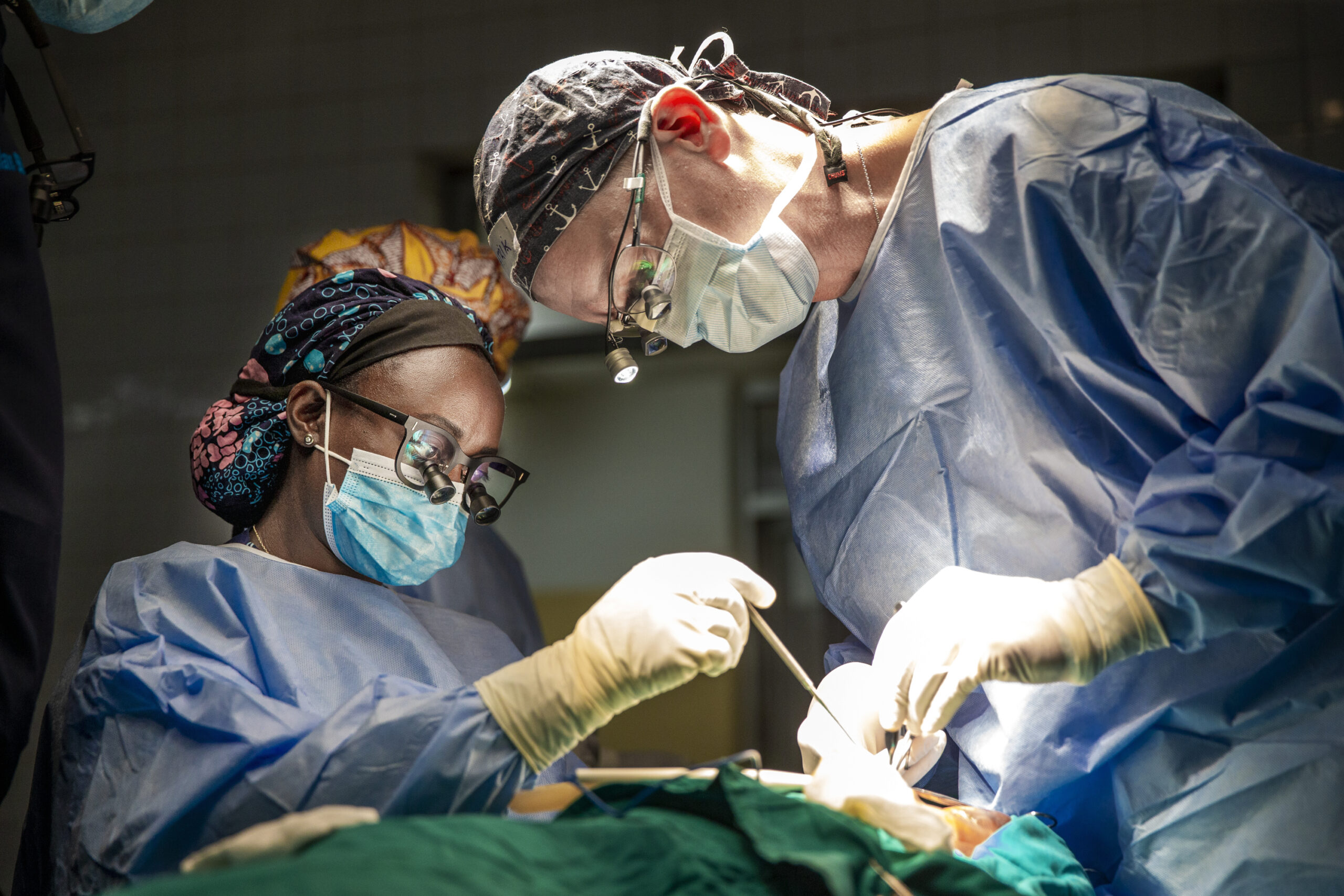
Not a future scenario
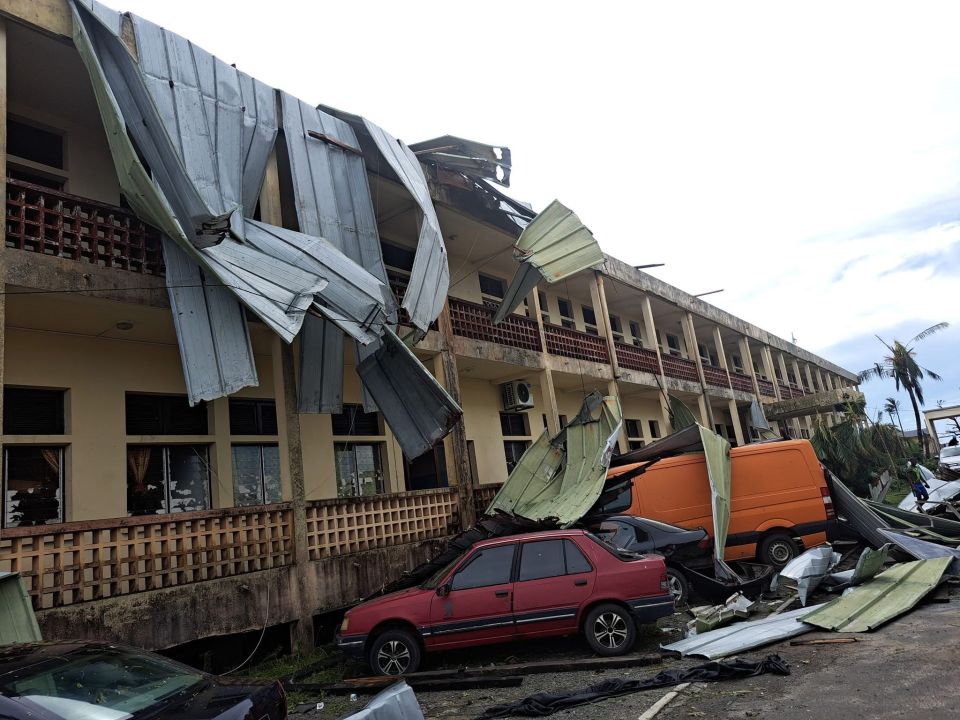
The effects of climate change are already impacting our work, and there have been increasing instances of climate related shocks in the countries where we operate. In February 2026, Cyclone Gezani damaged an Operation Smile partner hospital on Madagascar’s east coast, weeks after an mpox outbreak had already paused surgical programs in the region. The Climate–Health Nexus is not an argument we are making. It is a reality our programs are already navigating.
Be in the room
5% of your ticket goes directly to supporting Operation 100.
Oslo, 9–10 September 2026.
Implement this model
Partner with us on an event, a program or a long-term collaboration.
See how we work with companies, or get in touch directly.